Designing the Ideal Personalized Produce Boxes: A Progressive Guide
Creating custom produce boxes requires a strategic method. Experts must consider environmental responsibility, functionality, and aesthetics. Choosing the right materials is essential for maintaining quality and supporting eco-friendly methods. Additionally, size and form can significantly impact ease of use and shipping efficiency. Effective visual elements enhance brand recognition, while comprehensive evaluation guarantees longevity. Understanding these elements will reveal key insights into developing exceptional container designs that resonate with customers. What follows next is fundamental to achieving those objectives.
Determining the Best Options for Custom Produce Boxes
When selecting materials for custom produce boxes, it is critical to review both operational performance and environmental impact. The decision of material considerably influences the box's durability, weight, and ability to preserve the contents. Common materials include corrugated cardboard, which supplies strength and is able to be recycled, making it a popular choice for sustainability-focused businesses. Biodegradable options, such as molded pulp or plant-based plastics, also embrace sustainable practices while offering sufficient protection for delicate produce.
Moreover, moisture resistance is necessary for keeping quality consistent, driving some producers to assess enhanced substances or specialized coatings. The visual charm of the box cannot be dismissed, since brand positioning and graphical elements can determine consumer perception. Ultimately, the best option should balance between maintaining product integrity, appealing to customers, and meeting ecological requirements, confirming that performance and sustainable practices are emphasized within the design process.
How to Decide on Size and Shape for Functionality?
When choosing the size and shape of custom produce boxes, careful assessment of produce measurements is essential for proper storage. Additionally, considerations for handling and transport can impact the box design, guaranteeing ease of movement. Optimizing storage space utilization further enhances functionality, enabling effective presentation and organization.
Review Produce Dimensions With Care
Selecting the right dimensions for fruit and vegetable containers is crucial for functionality and efficiency. Accurate assessment of produce dimensions is critical, as it ensures that items fit securely without unnecessary room that could result in damage during storage or transport. Custom boxes need to accommodate different forms, from fragile fruits to large produce, while maintaining physical strength. Additionally, the dimensions of the boxes should facilitate proper arrangement and storage, optimizing space in warehouse facilities. A properly constructed container not only protects the produce but also improves visual appeal for consumers. Ultimately, careful consideration of dimensions contributes to reducing waste and enhancing customer satisfaction in the supply chain.
Assess Handling and Transport
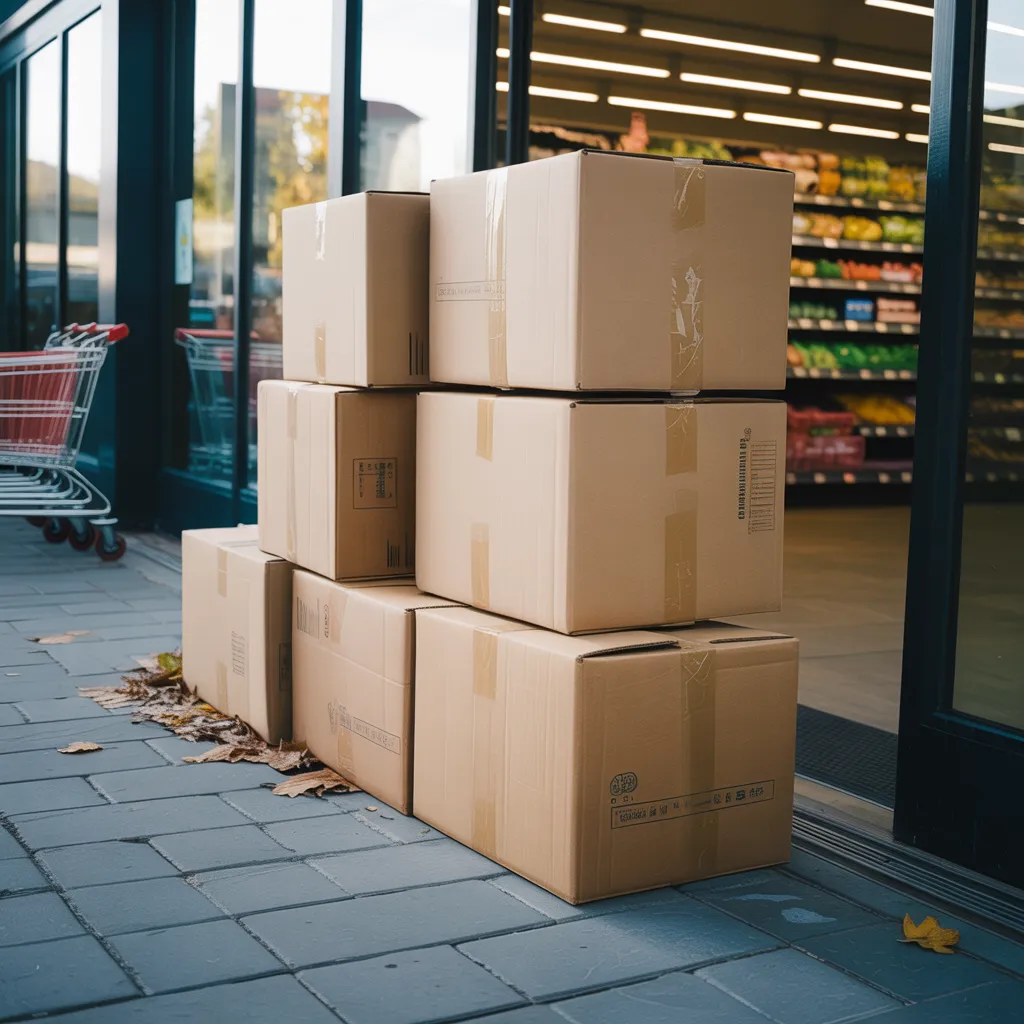
Handling and transport aspects play a significant part in determining the appropriate size and configuration of bespoke agricultural boxes. The measurements need to contain the produce without excessive space, which might lead to shifting and harm in transit. Smaller, compact boxes make easier management, whereas big containers may be necessary to handle bulkier products. Additionally, ergonomic design remains important; grip points or access should get strategically placed in order to allow for comfortable lifting plus carrying. The shape relating to the box also determines arrangement with steadiness, ensuring that goods remain secure. Finally, careful consideration regarding these components enhances the efficiency of transport, minimizes item loss, and supports the overall soundness concerning the produce beginning at field toward consumer.
Maximize Shelf Space Usage
Proper shelving management is determined by selecting the best measurements and configuration of bespoke vegetable packaging. Teams should examine the proportions of explore this topic the shelving units as well as the kinds of produce being stored. Box-shaped boxes often advance space efficiency, facilitating for better arrangement and fitting. Yet, varied forms can amplify visual appeal but may produce excess space if not appropriately mapped out.
It's critical to assess the inventory turnover rate; products with slower velocity might take advantage of compact, readily accessible boxes. Furthermore, introducing modular or adjustable designs can enable varying product dimensions while optimizing display organization. By centering on visual appeal combined with practicality, businesses can establish a practical and aesthetically pleasing presentation that enhances both ease of access and promotional impact.
How to Create Visuals That Capture Interest?
Engaging visuals can convert a simple custom produce box into a stunning display that attracts attention. To achieve this, designers should begin by selecting a color palette that reflects the vitality and vibrancy of the produce. Bright, striking colors can inspire feelings of freshness and health, driving consumers to take a second glance.
Bold typography remains equally important; readable typefaces can effectively communicate essential information while enhancing visual appeal. In addition, employing superior photographs of the goods can form instant engagement, showcasing the item's caliber and enticing prospective customers.
Furthermore, incorporating distinctive visual elements and patterns can help differentiate the brand in a crowded market. Consistency in graphic components, such as logos and taglines, reinforces brand identity. Ultimately, a blend of creativity and clarity in graphic design can greatly elevate the impact of custom produce boxes, making them stand out on shelves.
Green Practices for Custom Produce Box Packaging
An rising number of businesses are implementing eco-friendly methods for custom produce box packaging, recognizing its importance in today's eco-aware market. These practices often encompass the use of decomposable materials, such as recycled paper and plant-based plastics, which reduce environmental impact. Companies are also concentrating on sustainable sourcing, ensuring that materials are obtained from responsibly managed forests or suppliers who emphasize environmental stewardship.
Additionally, many brands are selecting simple layouts that reduce waste while still effectively showcasing their products. This strategy not only attracts environmentally aware consumers but also helps in lowering production costs. Moreover, businesses are increasingly implementing streamlined manufacturing processes that restrict energy consumption and waste generation. By incorporating these sustainable practices, companies not only enhance their brand image but also contribute positively to the planet, aligning their operations with a sustainable future.
Testing Your Custom Produce Box Design
Evaluating the structure of custom produce boxes is a vital step in confirming they meet both visual and functional requirements. This method generally entails reviewing aspects like resilience, size, and usability. First, prototypes should be built to evaluate the box's structural integrity, confirming it can withstand delivery and warehousing without compromising the items.
Next, usability tests can be conducted to determine how easily the boxes can be unlocked, sealed, and arranged. Input from prospective customers can be priceless in this stage, providing insights into the box's functionality.
Additionally, the visual impact of the design should be examined through focus groups or surveys, assessing consumer reactions to branding elements, color palettes, and overall presentation.
In the end, thorough evaluation allows designers to refine the box, ensuring it not only attracts customers but also adequately safeguards and displays the produce within, striking the right balance between form and function.
Advertising Your Tailored Produce Boxes Successfully
Impactful promotion of personalized vegetable containers requires a strategic approach that emphasizes their distinctive advantages and value. Companies must focus on identifying their target audience, whether they are local farms, grocery stores, or individual consumers. Utilizing social media platforms can amplify brand awareness, showcasing the boxes' appearance and functionality through compelling visuals and storytelling.
Moreover, collaborating with community figures and agricultural experts can enhance trustworthiness and expand reach. Offering promotions or discounts during seasonal peaks can draw first-time buyers and promote ongoing purchases.
Furthermore, promoting sustainability and eco-friendliness in marketing materials can engage sustainability-focused buyers. Communicating in-depth information about material sources and the benefits of custom packaging can further set apart the product in a competitive market.
Ultimately, a thorough advertising plan that combines digital and local efforts will effectively publicize custom produce boxes, attracting a heterogeneous clientele and driving sales.
Frequently Requested Questions
What Are the Costs Connected With Custom Produce Box Creation?
Expenses tied to custom produce box design encompass materials, printing, labor costs, and transport. Furthermore, design services and minimum order quantities can change total expenditures, resulting in fluctuating prices based on particular specifications and production volume.
What Time frame Is Needed to Produce Made-to-order Boxes?
The manufacturing of custom boxes typically takes between two to six weeks. Factors affecting this timeline include design complexity, availability of materials, and production capacity, all of which may impact delivery schedules and turnaround periods.
Can I Purchase a Limited Amount of Personalized Produce Boxes?
Yes, small amounts of custom produce boxes can typically be ordered. Many suppliers offer base purchase minimums, allowing enterprises or consumers to get customized packaging solutions without having to commit to substantial amounts at the start.
What Frequent Blunders Must Be Prevented in Made-to-Order Box Design?
Common pitfalls in custom box creation include failing to address functionality, ignoring brand consistency, underestimating material quality, overlooking target audience preferences, and overlooking environmental impact. Each aspect is critical for quality packaging and customer satisfaction.
How Do I Verify My Boxes Are Food Safe?
To ensure boxes remain safe for food consumption, you should choose materials certified for food contact, prevent harmful inks and adhesives, maintain cleanliness during production, and consistently monitor for compliance with health regulations and safety standards.